It usually starts small. A twinge reaching into the back seat, a stiff morning, a shoulder that complains when you pull on a jacket. Then, over a few weeks, the list of things you can't quite do gets longer: the top shelf, the seatbelt, sleeping on that side.
If that sounds familiar, you may be dealing with frozen shoulder, a condition that is as frustrating as it is common. It develops slowly, often for no obvious reason, and it can linger. It also tends to get better, and understanding how it works makes the wait much easier to manage.
Here is a plain-English look at what frozen shoulder is, why it happens, how it progresses, and when it may be time to talk with an orthopedic surgeon near Granite Falls.
What Is Frozen Shoulder?
Frozen shoulder, also called adhesive capsulitis, is a condition in which the capsule of connective tissue around the shoulder joint thickens and tightens, causing pain and a steady loss of motion. In short:
- It moves through three stages: freezing, frozen, and thawing
- It most often affects adults 40 and older, particularly women
- Diabetes and thyroid conditions raise the risk
- Most people improve without surgery, typically within one to three years
Only a physician can confirm whether your stiffness is frozen shoulder or something else, so if your shoulder keeps getting tighter, it is worth having it looked at.
How Do You Know It's Frozen Shoulder and Not Something Else?
Frozen shoulder pain is usually a dull ache in the outer shoulder that can spread into the upper arm. It tends to flare with movement, and for some people it gets worse at night and disrupts sleep, according to Mayo Clinic.
The telltale sign is that the stiffness doesn't give when someone else tries to move your arm. With many other shoulder problems, including some rotator cuff injuries, a physician can often move the arm further than you can on your own. With frozen shoulder, the capsule itself is tight, so motion is limited either way.
That difference matters because the treatments are different. Shoulder pain has many possible causes, and an accurate diagnosis is the first step toward the right plan.
What Causes Frozen Shoulder?
No one fully knows why the capsule tightens, but the risk factors are well documented. According to the American Academy of Orthopaedic Surgeons, frozen shoulder is more likely if you have:
- Diabetes, one of the strongest risk factors, often linked to stiffness that is more severe and lasts longer
- Thyroid disease, whether overactive or underactive
- Parkinson's disease or heart disease
- A recent stretch of immobility, such as after surgery, a broken arm, a rotator cuff injury, or a stroke
Age and sex play a role too, with women between 40 and 60 affected most often. The link to immobility is also why physicians often encourage gentle, guided movement during recovery from other arm and shoulder injuries, when it is safe to do so.
What Are the Stages of Frozen Shoulder?
Frozen shoulder follows a predictable arc, even if the timing is anything but. Each stage varies widely in length, and most people see their symptoms improve within one to three years.
Stage 1: Freezing
Pain builds gradually and motion shrinks with it. This is typically the most painful stage and can last anywhere from about six weeks to nine months.
Stage 2: Frozen
The pain often eases, but the stiffness stays. Getting dressed, reaching overhead, and reaching behind your back can all be difficult. This stage commonly lasts four months to a year.
Stage 3: Thawing
Motion slowly returns, often so gradually that it's hard to notice week to week. Thawing can take anywhere from several months to two years.
Knowing where you are in that arc helps set realistic expectations, and it can shape which treatments make the most sense right now.
Shoulder still not moving?
Bring it up at your next appointment.
If stiffness is limiting your day and hasn't improved, your physician can tell you whether it may be frozen shoulder and what comes next. Outpatient shoulder procedures are available close to home at Prime Surgical Suites, an AAAHC-accredited center in partnership with UNC Health Caldwell.
Learn About Shoulder Surgery at PrimeHow Is Frozen Shoulder Treated Without Surgery?
Most people with frozen shoulder never need surgery. Treatment focuses on controlling pain and protecting as much motion as possible while the condition runs its course. Common options include:
- Physical therapy, with gentle stretching and range-of-motion exercises, usually the backbone of treatment
- Anti-inflammatory medication to ease pain and inflammation
- Corticosteroid injections into the joint, often most helpful in the earlier stages
- Hydrodilatation, which uses sterile fluid injected into the joint to gently stretch the tight capsule
With physical therapy, consistency beats intensity. Forcing a painful stretch can aggravate an already irritated joint, so steady, guided work tends to pay off more than pushing hard. MedlinePlus has more on these treatment options, and keeping related conditions like diabetes well managed can support recovery too.
When Is It Time to See a Surgeon for Frozen Shoulder?
When months of consistent treatment haven't made a meaningful difference. If you have stuck with physical therapy, medication, or injections and your shoulder is still stiff and painful, or if the limits are cutting into your work, sleep, or daily life, ask your physician about an evaluation with an orthopedic surgeon.
When surgery does make sense, it is usually one of two approaches, and they are sometimes combined.
Manipulation Under Anesthesia
While you are under anesthesia, the surgeon moves the shoulder through its range of motion to stretch and loosen the tight capsule.
Arthroscopic Capsular Release
Through a few small incisions, the surgeon uses a tiny camera and specialized instruments to release the tightest portions of the capsule. Our overview of common shoulder surgery options explains this procedure in more detail.
Like any surgery, both approaches carry risks, including infection, bleeding, and complications related to anesthesia, and neither is right for everyone. Those risks belong in your conversation with your surgeon, right alongside the potential benefits.
What Does Recovery From Frozen Shoulder Surgery Look Like?
Many shoulder arthroscopy procedures are performed on an outpatient basis, which means eligible patients go home the same day. Our post on whether shoulder surgery can be done outpatient covers who typically qualifies and why.
Physical therapy follows surgery to hold on to the motion gained during the procedure, and sticking with it is one of the most important parts of recovery. Here is more on the role of physical therapy after surgery.
Frozen Shoulder Care Close to Home in Granite Falls
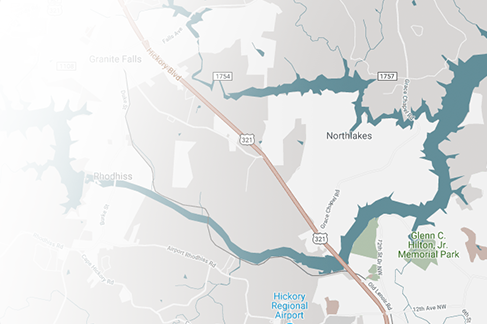
Prime Surgical Suites is an AAAHC-accredited outpatient center at 180 Riverbend Drive in Granite Falls, operated as a joint venture with UNC Health Caldwell. Patients from across Caldwell County, Hickory, Lenoir, and the western NC foothills can have outpatient shoulder procedures performed close to home, without an overnight hospital stay. You can also take a look at our outpatient center before your visit.
Common Questions About Frozen Shoulder
Can frozen shoulder go away on its own?
Often, yes. Symptoms typically improve within one to three years. Treatment can ease pain and help you keep more motion along the way, so it is still worth seeing a physician rather than waiting it out.
How long does frozen shoulder last?
Most people see improvement within one to three years, though the timeline varies widely. The freezing stage alone can last up to about nine months.
Is frozen shoulder the same as a rotator cuff tear?
No. Frozen shoulder is a tightening of the joint capsule, while a rotator cuff tear involves the tendons that move and stabilize the shoulder. The symptoms can overlap, which is why a physician's exam matters.
Who is most likely to get frozen shoulder?
Adults 40 and older, especially women, and people with diabetes or thyroid conditions. It can also follow a stretch of immobility after an injury or surgery.
Do you need a referral to see a shoulder surgeon?
Start with your primary care physician or orthopedic provider. They can evaluate your shoulder, recommend treatment, and refer you to a surgeon if surgery becomes an option.
This article is for general information and isn't medical advice. Please talk with your physician or surgeon about your specific symptoms and treatment options.
Stiff Today Doesn't Mean Stiff for Good
Frozen shoulder asks for a lot of patience, but for most people it does not ask forever. Motion usually comes back, and the right care can make the wait more comfortable.
If your shoulder has been getting tighter for weeks, or months of treatment haven't helped, that is the conversation worth having at your next appointment.
Orthopedic care in Granite Falls, NC
Ask your physician whether it's time to see a surgeon.
Your physician can confirm what's behind your stiffness and whether surgery makes sense. When it does, Prime Surgical Suites provides outpatient orthopedic care in an AAAHC-accredited setting, serving patients across Caldwell County, Hickory, Lenoir, and the western NC foothills.
Explore Our Shoulder Surgery Services